 Cardex
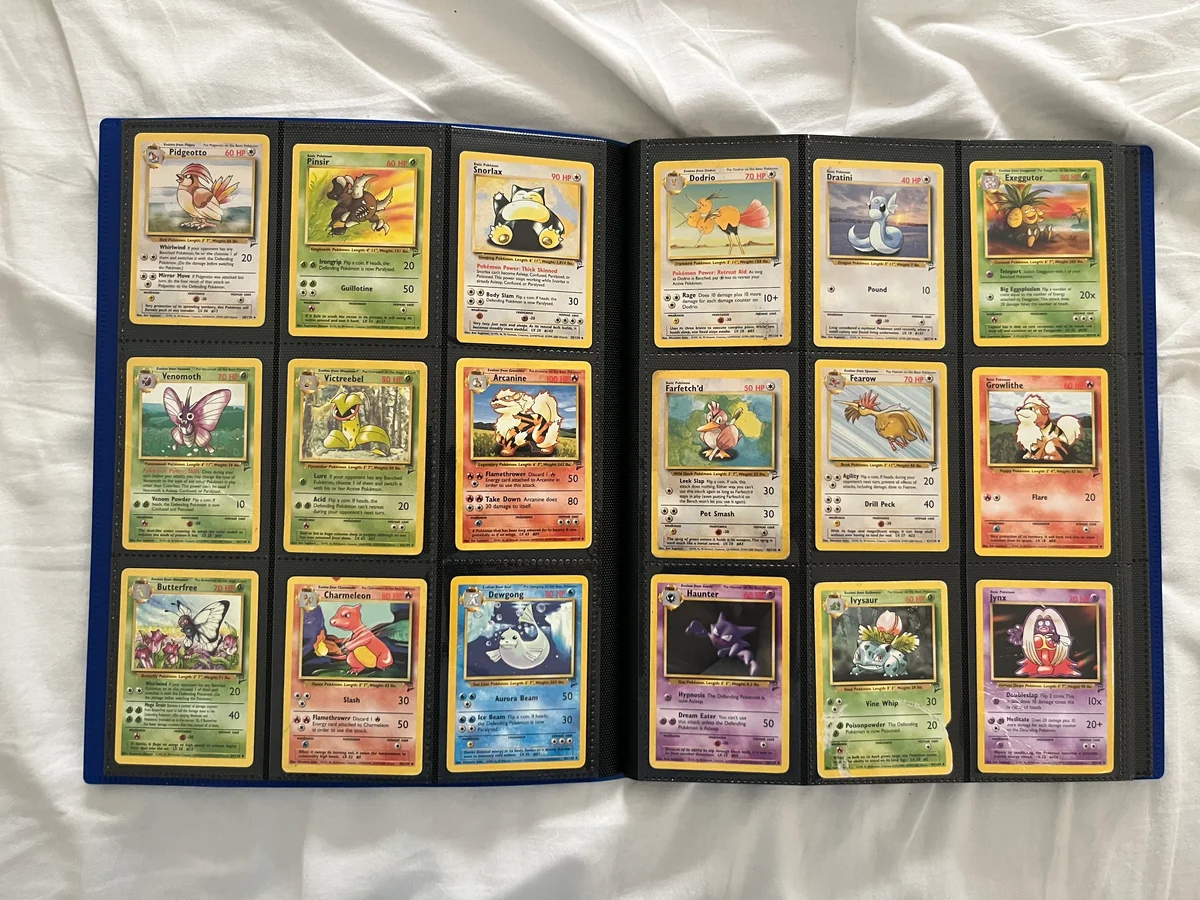

Sorting a big collection? Scan cards into Cardex binders and see the count and value of each binder as you go. See how it works.
Get the free appChoose your system before you touch the binder
The mistake that creates the most work is sorting a pile before deciding what the collection is for. A set builder needs visible gaps. A trader needs fast access to cards that can leave. Someone collecting every Pikachu wants all of those cards together, even if they came from different eras.
Start with one question: What should this binder help me do?
| Your goal | Best order | Best home |
|---|---|---|
| Complete an expansion | Set → collector number | Dedicated set binder |
| Display favorites | Pokémon, type, artist or color | Personal collection binder |
| Protect valuable pulls | Rarity or value band | Sleeved hits binder |
| Trade or sell | Set → value or status | Separate trade binder |
| Store duplicates | Set → card number | Labeled card box |
Before you sort: make four temporary piles
Do not try to put a mixed collection straight into final order. Give yourself a large, clean surface and make four broad piles first:
- Main collection: the cards you definitely want to keep.
- Set projects: cards that belong to an expansion you are actively completing.
- Trade or sell: duplicates and cards you are willing to move.
- Bulk: low-priority duplicates, Energy cards and playable extras that do not need binder space.
This first pass is intentionally rough. It separates cards by job, which prevents a valuable trade card from disappearing into a box of duplicates and stops your display binder from filling with cards you do not care about.
System 1: By set and collector number
Best for: completing expansions, tracking missing cards and finding a specific card quickly.
Group cards by expansion, then arrange each group by the collector number printed near the bottom of the card. A number such as 36/198 means the card belongs in position 36 of the numbered set. Cards numbered beyond the advertised set total come after the main numbered cards.
- Separate cards by language so different releases do not get mixed.
- Group them by set.
- Sort each set from the lowest collector number to the highest.
- Fill the binder left to right and top to bottom.
- Leave an empty pocket for every card you are missing.
This is the cleanest system for a master set because every empty pocket becomes a visual checklist. Decide at the beginning where reverse holos and other variants will go. You can place a variant beside its standard card or create a separate variant section; consistency matters more than the choice.
System 2: By Pokémon or Pokédex number
Best for: character collectors and people who care more about a favorite Pokémon than completing sets.
Put every card featuring the same Pokémon together, then order those groups alphabetically or by Pokédex number. Within each Pokémon's section, sort by release date, set or simply by which artwork you like most.
The advantage is emotional: every page feels like your collection, not a checklist designed by a set publisher. The tradeoff is maintenance. A newly released card may belong in the middle of an existing section, so leave a few empty pockets after Pokémon you collect heavily.
System 3: By rarity or value
Best for: hits binders, trade nights and quickly reviewing the cards that need extra care.
Separate your higher-rarity cards from ordinary bulk, then sort within each group by set or value. If you are not sure what a symbol or modern rarity label means, use our Pokémon card rarity guide before building the sections.
Rarity and value are not the same thing. A visually rare card can have a modest market price, while an older or competitively useful card may be worth more than its symbol suggests. Check the exact printing rather than guessing from the artwork.
A practical value-based binder can use simple ranges such as under $10, $10 to $50 and over $50. Don't write permanent prices on divider labels, though. Markets move. Use a collection tracker for current values and keep the physical binder focused on protection and access.
System 4: By type, color or artist
Best for: display binders that are meant to be enjoyed page by page.
Sorting by Fire, Water, Grass and other types creates pages with a strong visual rhythm. Sorting by artwork color can look even better, though it makes individual cards harder to find. Artist collections are another good option when illustration matters more to you than set completion.
This system is flexible, but it needs one private rulebook. Write down how you handle Trainer cards, Colorless Pokémon, multi-type designs and promotional cards. Otherwise the same question returns every time you open a pack.
System 5: The hybrid system
Best for: nearly everyone whose collection is still growing.
One binder rarely does every job well. A hybrid collection gives each kind of card a clear home:
- Set binder: one copy of each card, in collector-number order, with gaps for missing cards.
- Favorites binder: favorite Pokémon, artists, promos and cards you simply enjoy.
- Hits or trade binder: valuable duplicates and cards available to trade or sell.
- Bulk box: labeled dividers for set, type or card number, depending on how often you search it.
The hybrid system avoids the worst compromise. Your master set stays measurable, your favorite pages stay personal, and your trade cards remain easy to reach. You also stop moving hundreds of ordinary cards every time your priorities change.
Mirror your binders in Cardex
Scan cards into custom collections, search by set, number, rarity or type, and check current prices without taking every card out of its pocket.


How to organize a large collection without losing a weekend
If you have hundreds or thousands of cards, finish one stage across the whole collection before starting the next. Switching between identifying, pricing and sleeving every single card is slow.
- Remove obvious bulk and duplicates. Do not spend premium binder space on the fifth copy of the same common.
- Separate by set. If you cannot identify a card's expansion, check the set details or scan it to identify the set.
- Sort by collector number. Small piles are much easier to order than one giant stack.
- Sleeve the keepers. Replace visibly damaged sleeves as you go.
- Fill one binder at a time. Label the spine and record what it contains.
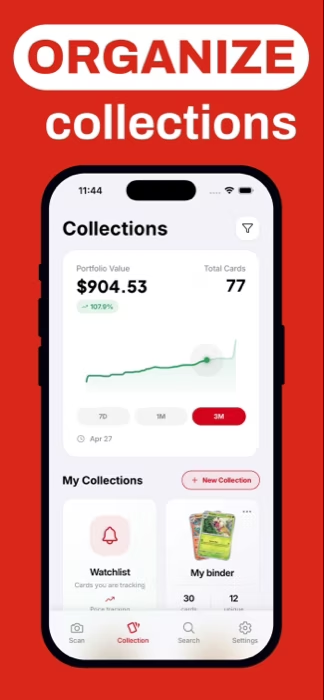
- Catalog it digitally. Add cards to a matching binder in Cardex so you can search the collection without handling it.
Four mistakes that create more work later
- Filling every pocket immediately. A set or character collection needs room for missing and future cards.
- Mixing collection and trade cards. You should never have to remember which cards on a page are unavailable.
- Organizing by today's price alone. Prices change, and constantly moving cards increases handling.
- Keeping no digital record. A beautiful binder still cannot tell you its total value or whether the card in front of you is already at home.
Frequently asked questions
Should I organize Pokémon cards by set or rarity?
Use set and collector number if you want to complete expansions or find cards quickly. Use rarity if the binder is mainly for displaying hits or trading. Many collectors use both: set binders for completion and a separate hits or trade binder.
Should I leave empty spaces for missing cards?
Yes, if you are building a set. Give every missing card its numbered pocket so you can add it later without shifting the rest of the binder. For a favorites binder, leaving a few open pockets at the end of each section is usually enough.
What should I do with duplicates?
Keep one clean copy in your main collection, move tradeable duplicates to a trade binder, and put ordinary bulk in a labeled storage box. Avoid stacking several cards in one pocket; it strains the pocket and makes the cards harder to remove safely.
Can I put sleeved cards in a binder?
Yes, if the pockets are designed to fit sleeved standard-size cards. Check the binder's specifications and never force a tight sleeve into a pocket. Valuable cards may need a storage format designed for thicker protection.